
September 2026

Ease Strain on Household Budget and Electric Grid
As a customer-owned nonprofit utility, we help homes and businesses buy less electricity without sacrificing comfort or convenience through free energy efficiency services and rebate programs.
It works because when one customer saves, everyone benefits. Efforts to use less, especially during times of high demand, can help avoid costly infrastructure investments and peak power purchases that contribute to rising utility rates.
Energy conservation can match any lifestyle. Small changes in daily routines or thermostat settings and the occasional home upgrade, like adding insulation or replacing an outdated heating system, will make every kilowatt work a little harder and lower monthly energy bills.
When customers cut down on wasted energy even small savings add up to dramatic drops in the total amount of power Clark Public Utilities either produces or purchases to keep the lights on in Clark County.
Since 1980, customers have saved nearly 1.5 billion kilowatt hours (kWh) of electricity, enough to power more than 126,000 average Clark County homes for a year. To learn more about current energy efficiency rebates you may qualify for visit: clarkpublicutilities.com/reducewaste.
Always Assume It’s Energized
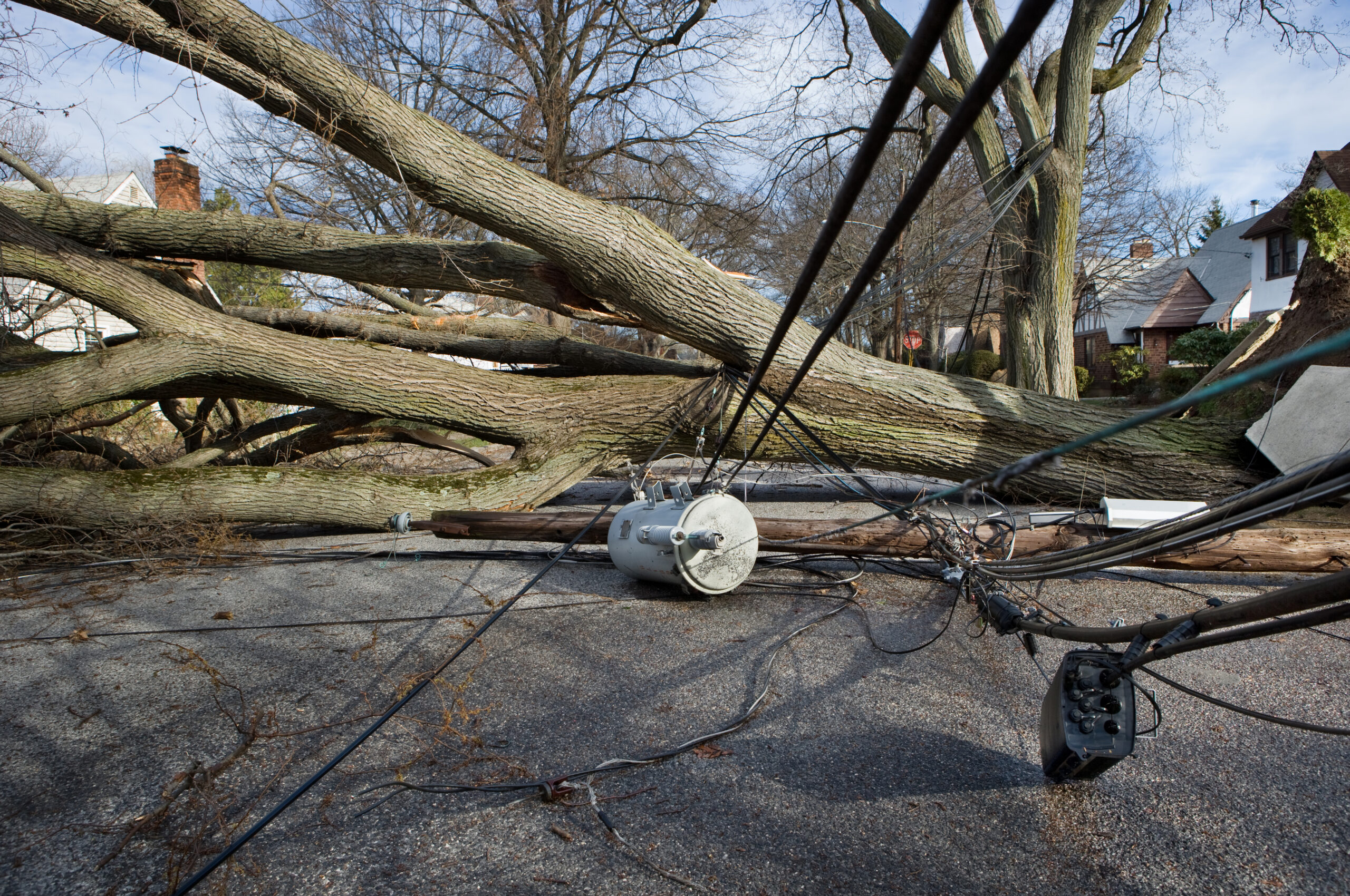
For your safety and to protect others, keep your distance from electric equipment overhead, on, or buried in the ground. Treat all power lines like they are live and dangerous. Never approach a downed power line, and report any signs of trouble.
Heavy storms can drop energized lines onto wet surfaces and lines may not be visible in rain or snow, so stay at least 50 feet away and report it to 360-992-3000 for the fastest response. Only call 911 if there’s a fire or injury.
Utility Crews Shine at Lineman Rodeo
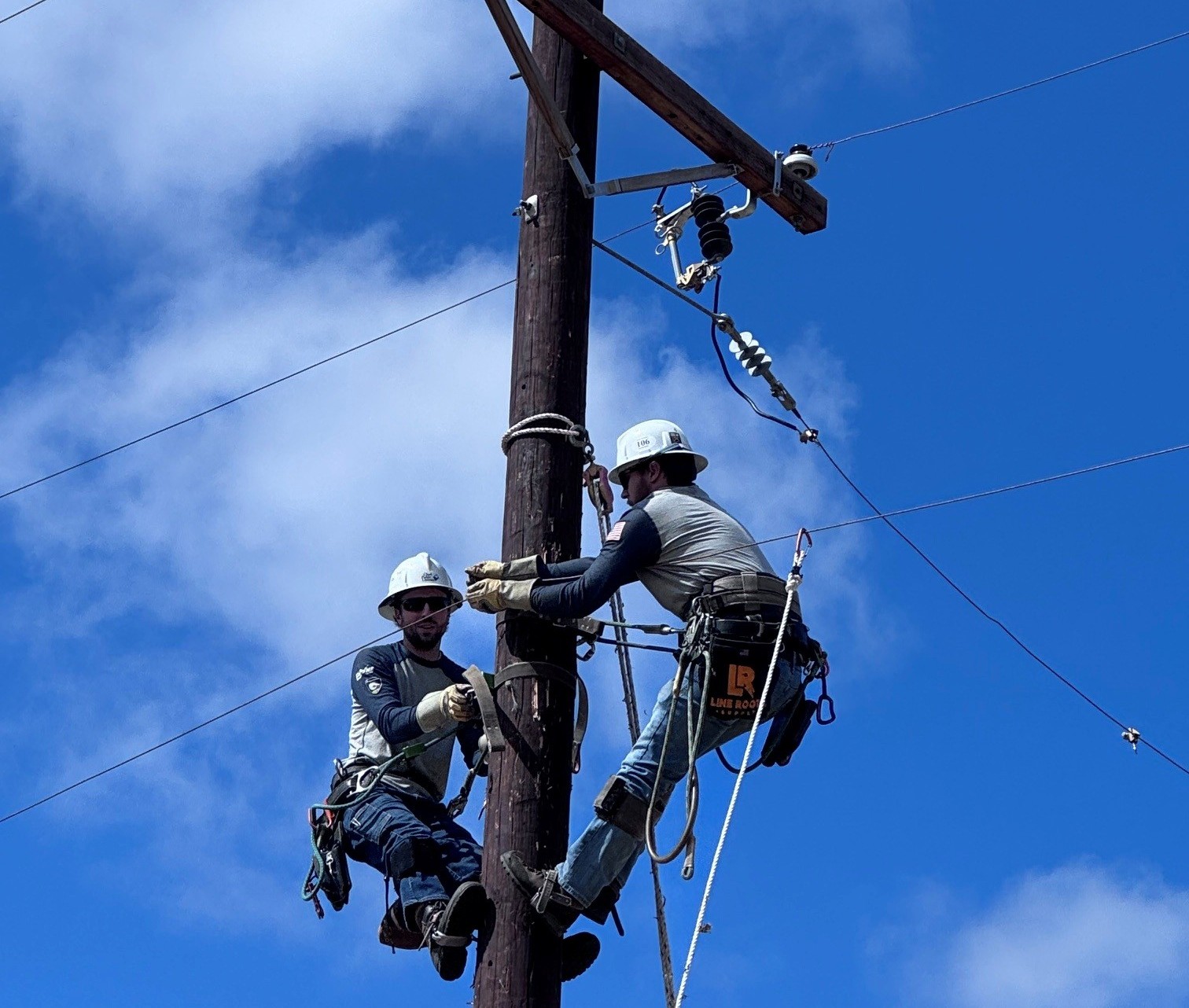
Clark Public Utilities line apprentices and electrical workers from across the West put their skills to the test at the 2026 Pacific Northwest Lineman Rodeo in Gresham last month. This annual event is one of the many national events that give linemen of all skill levels the opportunity to demonstrate their abilities in front of a crowd of friends, family and colleagues.
Linework is a skilled trade that requires deep knowledge, close attention to detail and careful work to protect everyone’s safety while restoring power quickly. No matter the time or weather, utility line crews must be ready to respond when the power goes out and prepared to do it right every time. For information about the annual rodeo, visit: pacificnorthwestlinemanrodeo.org.
Make Your Home Winter Ready
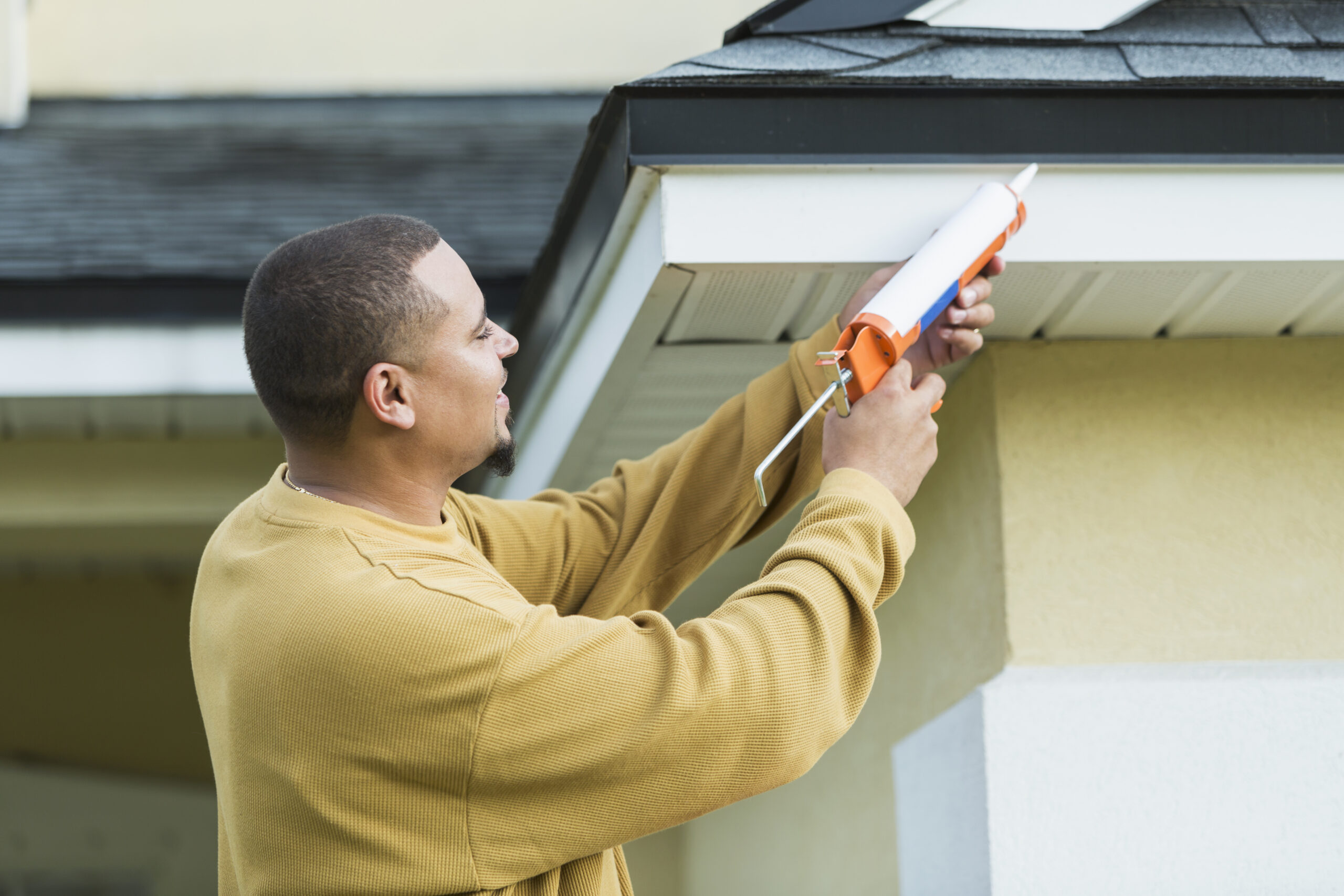
Fall is an ideal time to ensure your home is ready for cold weather. A few small steps now can help save energy and potentially avoid home repairs when the weather is at its worst.
Inspect weatherstripping, thresholds and caulk for air leaks, cracks or damage and replace them if necessary. Ensure foundation vents are clear so air can circulate beneath the house. Also, schedule an annual inspection of your home’s heating system.
A professional can catch and repair problems before they turn into emergencies and can also tune the system to ensure it runs efficiently. A well-maintained system keeps living spaces more comfortable, at a lower monthly cost.
To protect water pipes, disconnect all garden hoses before freezing temperatures set in. Irrigation systems should be blown out in late summer or early fall, and frost caps for exposed hose bibs can also be a wise investment.

Green Lights
Learn more about the utility’s voluntary renewable energy credit program!